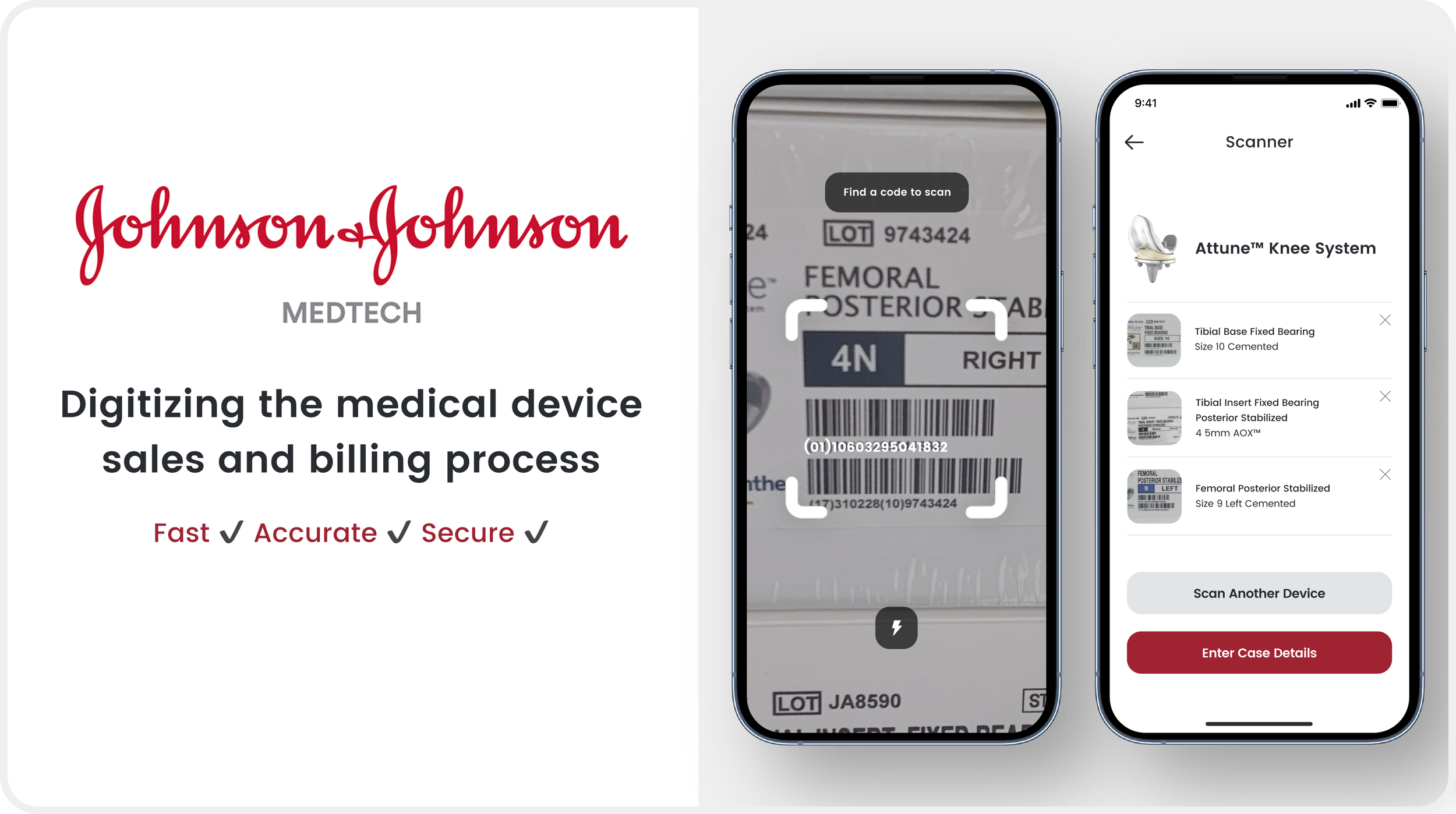
Johnson & Johnson
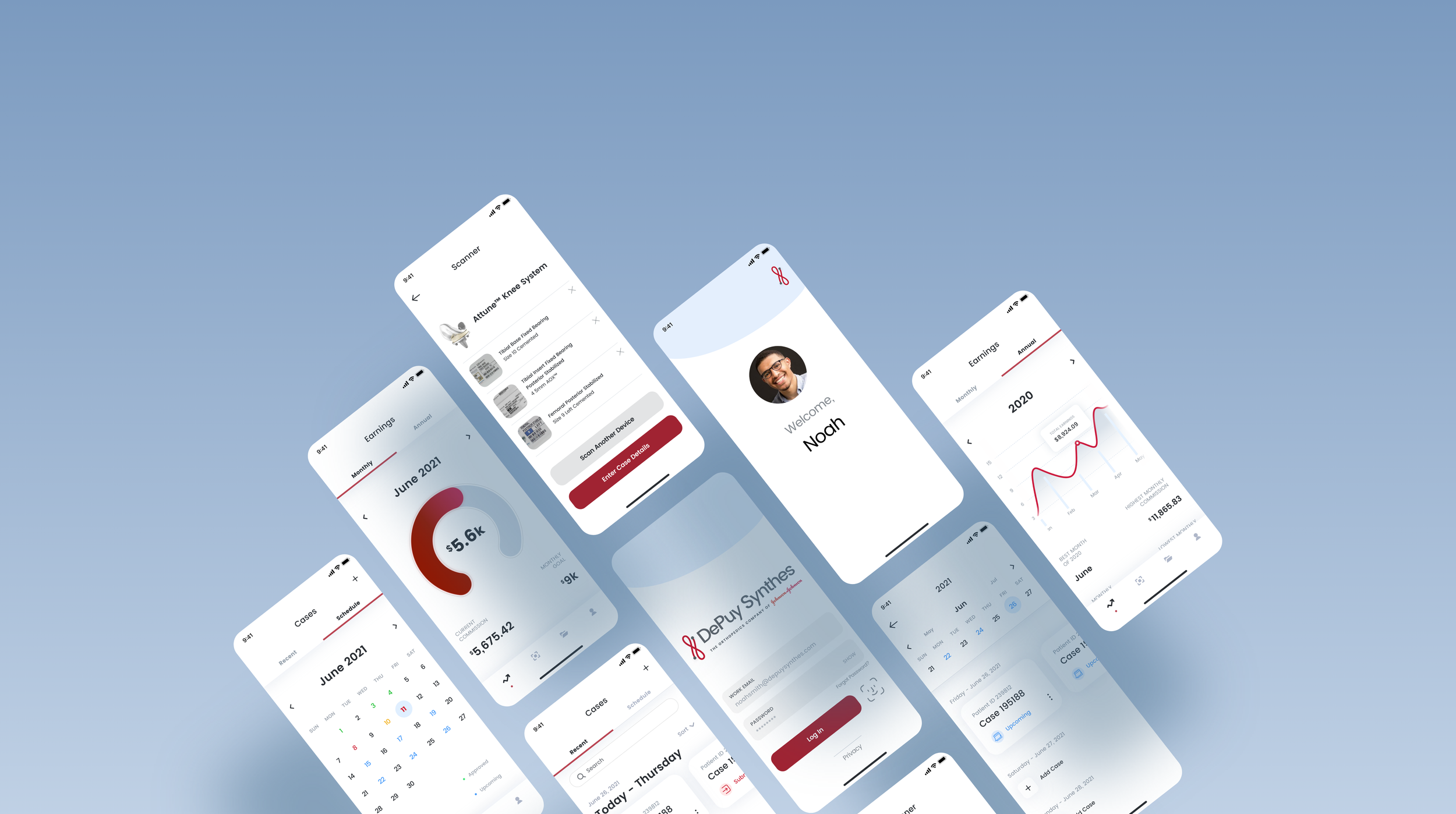
Medical Device Scanner Mobile App
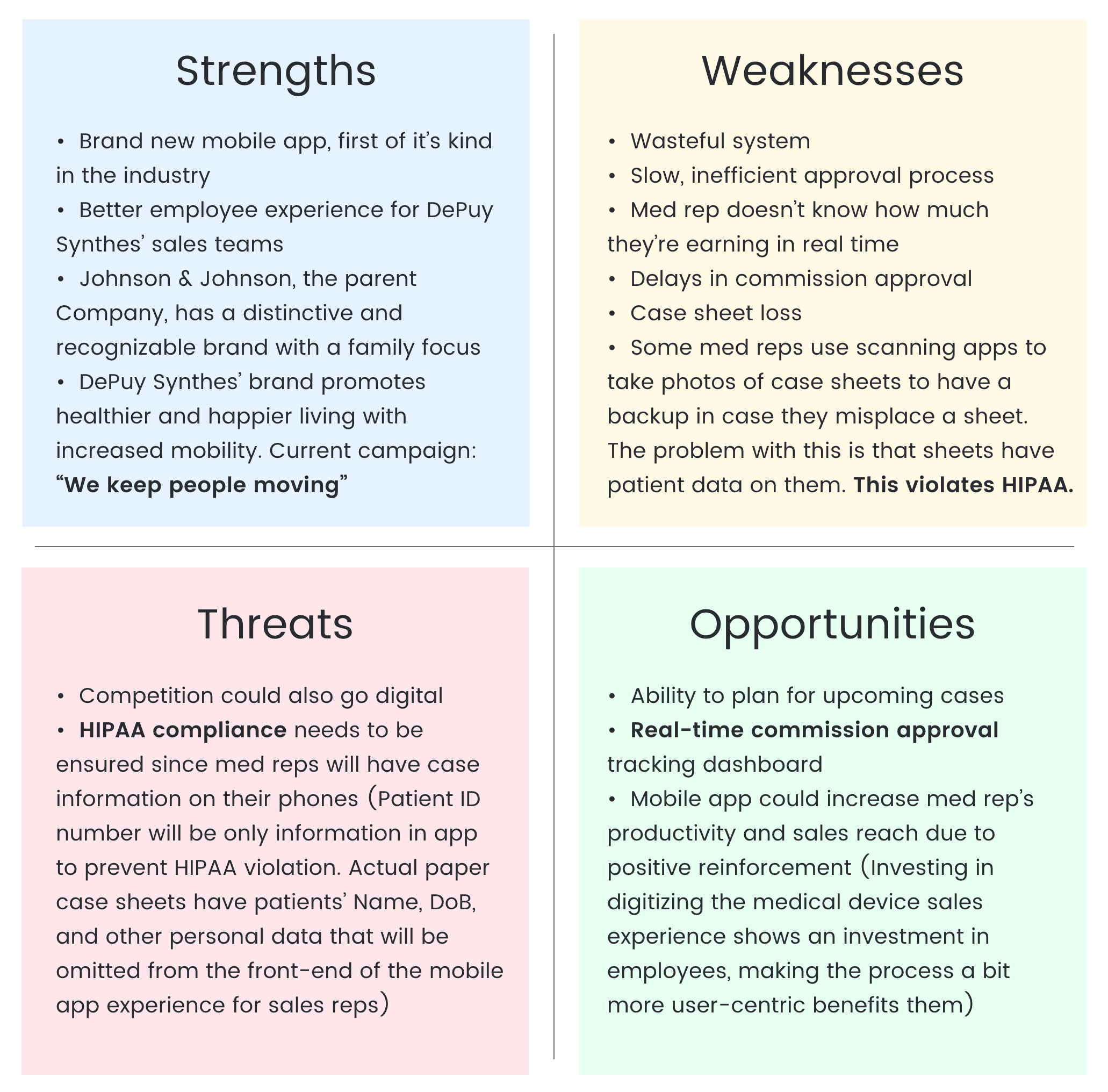
PROBLEM STATEMENT: DePuy Synthes, a Johnson & Johnson MedTech company, relied on manual paper-based billing and case-tracking processes that slowed down device orders, increased HIPAA compliance risk, and delayed sales commissions.
Proposal: Sales reps and hospital staff want a secure, digital workflow that streamlines data entry, reduces administrative errors, and maintains HIPAA compliance across every transaction. jnjmedtech.com
Year
2021
Industry
Healthcare
Scope of Work
Extensive User Research
UI/UX Design
Mobile App
EHR App Integration (electronics health records)

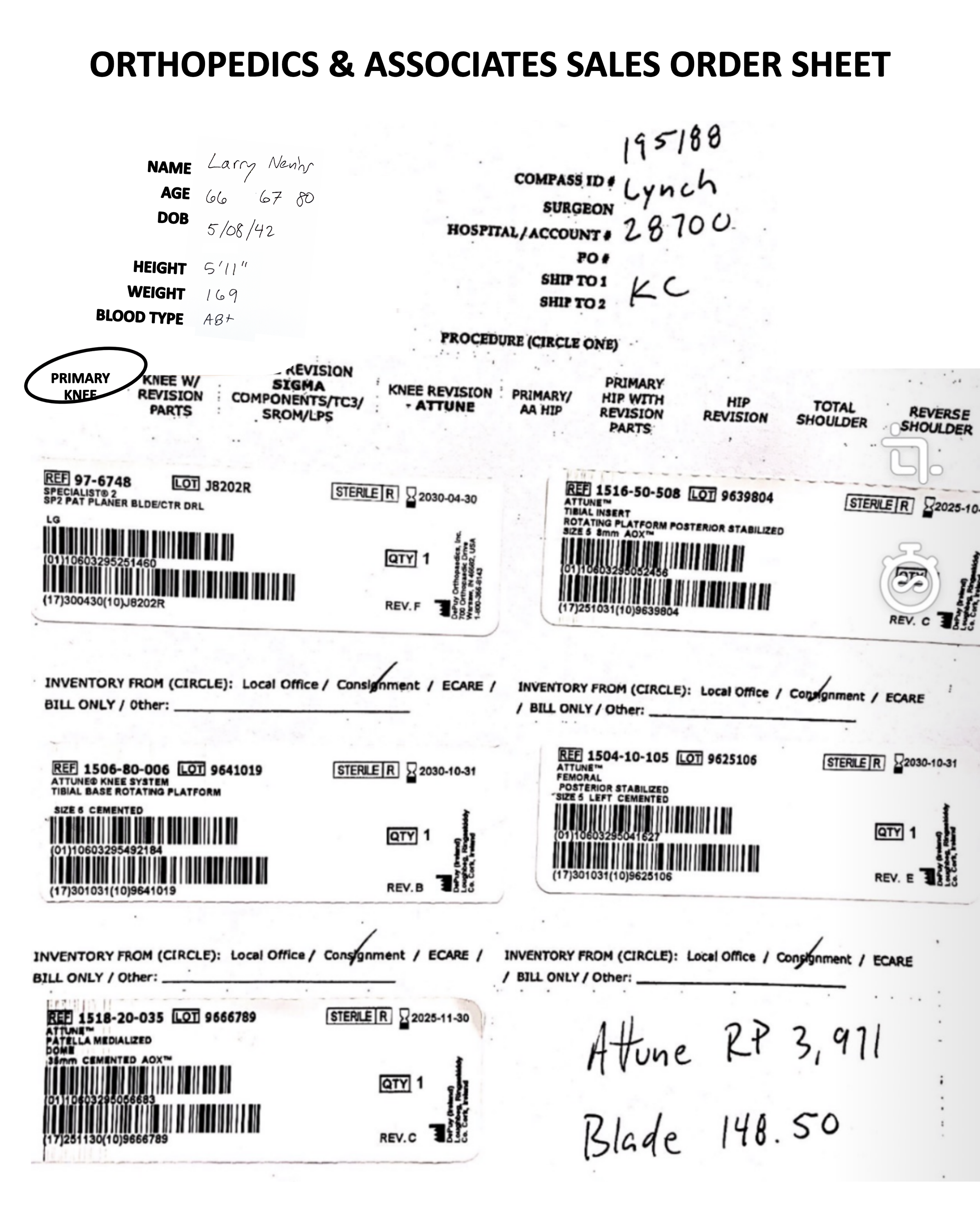
BEFORE - Tangible Status Quo
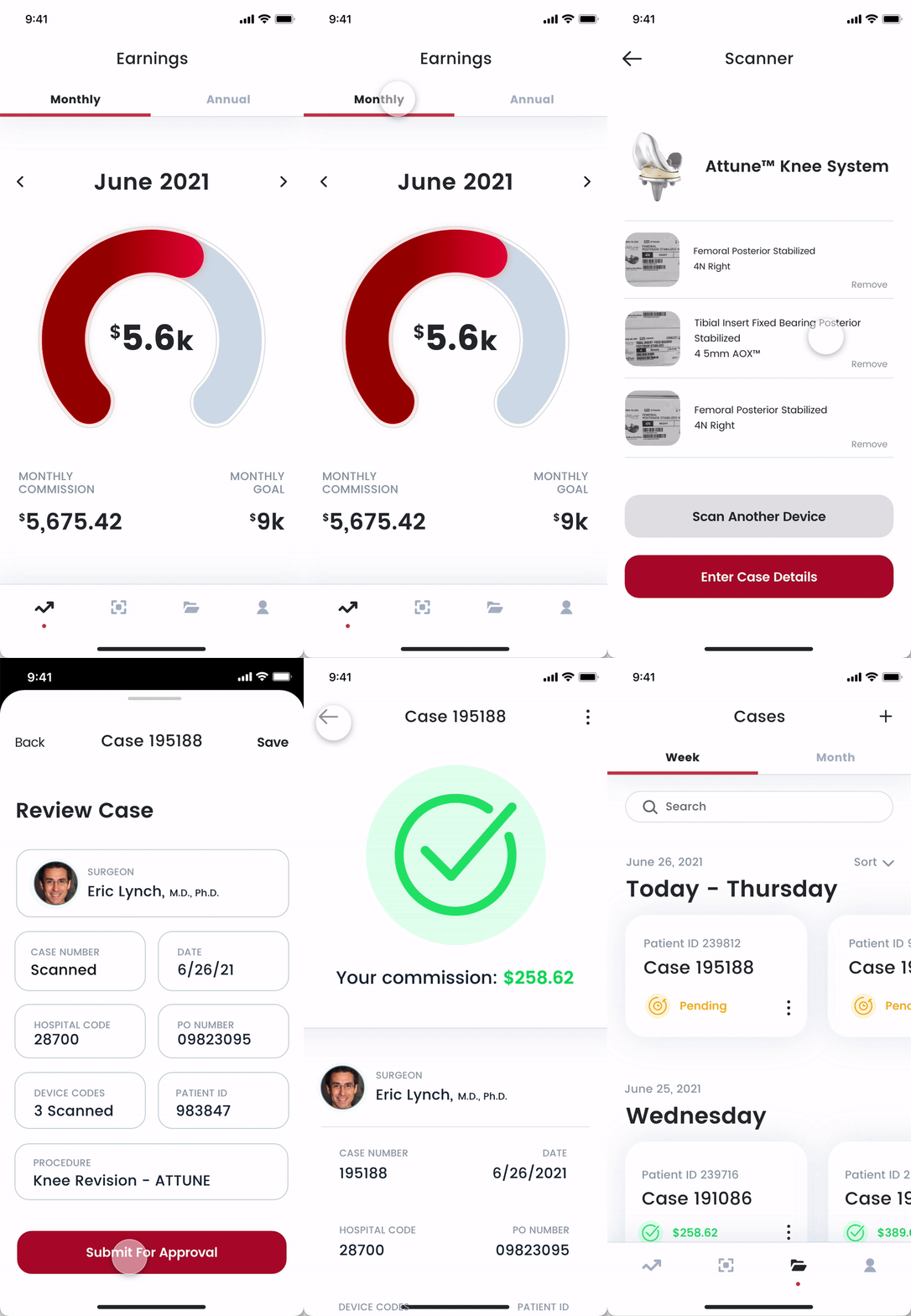
AFTER - Digital Proposal
Business Goals
• HIPAA Compliance
• Employee Satisfaction
• More Exclusive Contracts
Primary Success Metrics:
➜ Adoption Rate
➜ Net Promoter Score

User Goals
• Sped-Up Process
• Commission Tracker
• A Way to Plan Ahead
Primary Success Metrics:
➜ Task Time
➜ Customer Satisfaction Score

Research

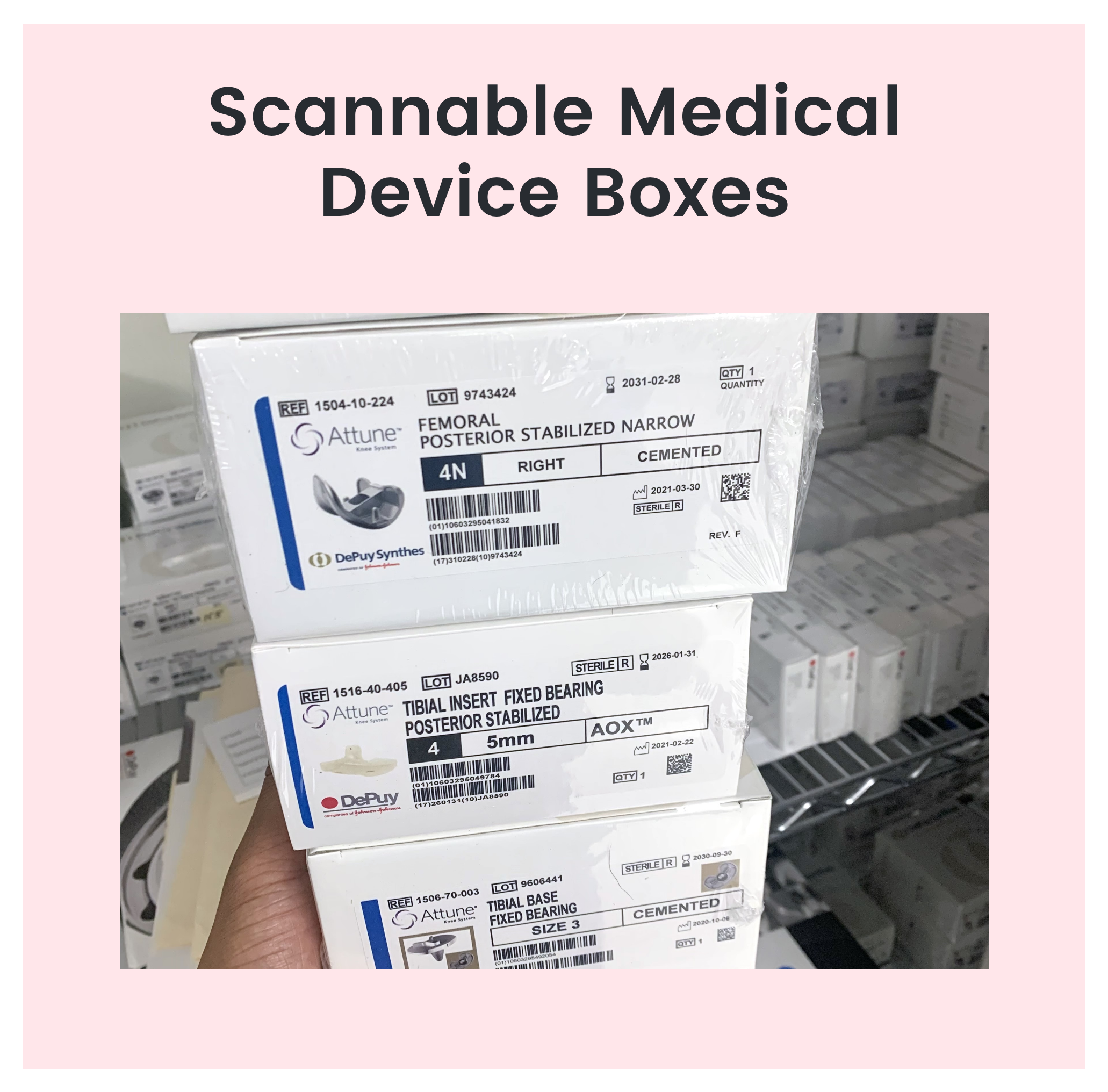


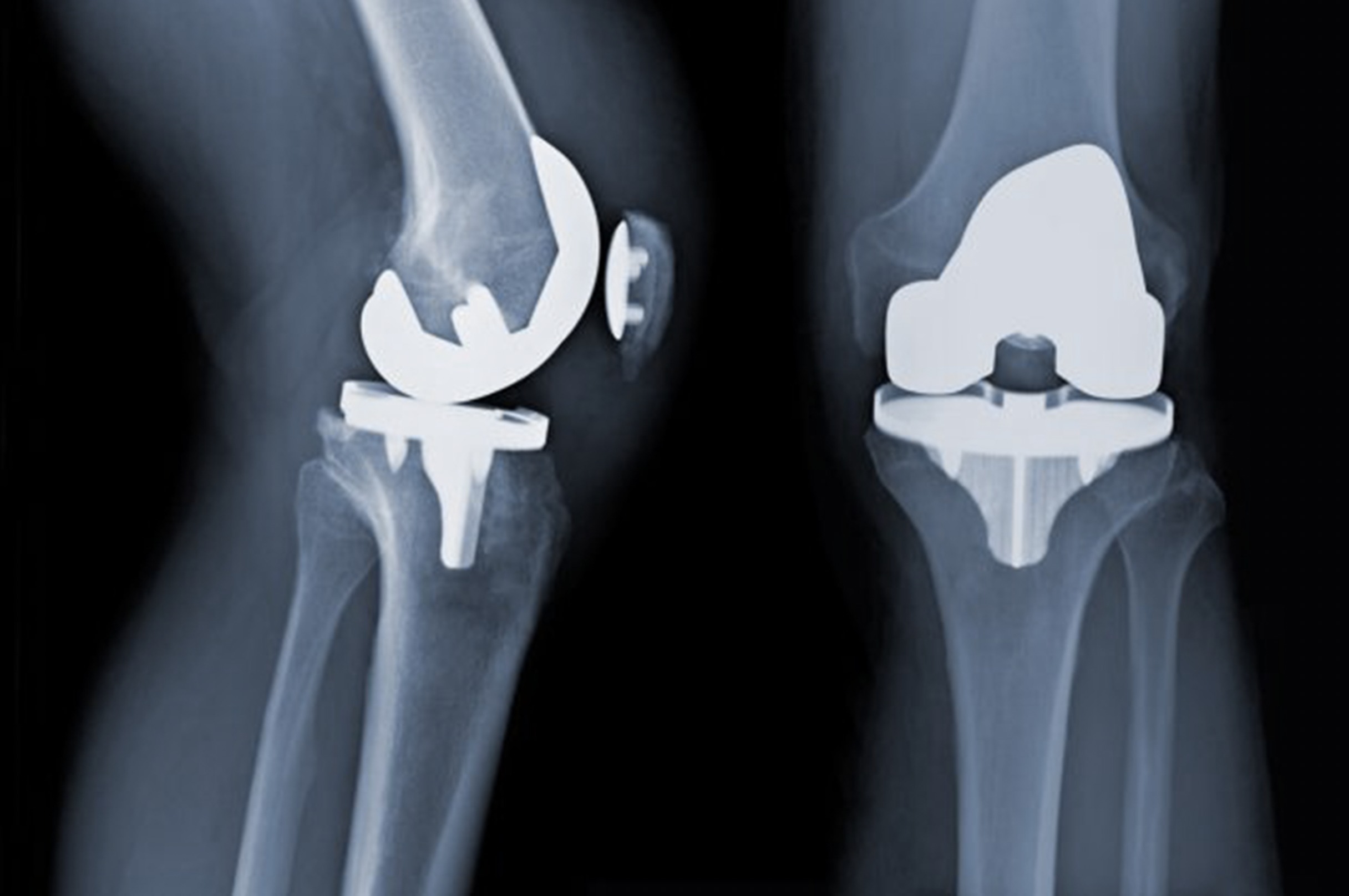

How might we…
Design a mobile app that scans codes on medical device packaging to streamline the billing process for nurses and med reps that also integrates into their existing electronic health records systems?
Defining Key Principles for Med Reps
-
Prepare
Planning ahead is a crucial part of sales success in the orthopedic industry, and a digital planner integration is something users want.
-

Empower
Providing a way for salespeople to see how much they’re earning per case, could boost sales through positive reinforcement.
-

Optimize
The mobile app should do the heavy lifting for sales, be intuitive, simple, and create easy paths to case creation and submission quickly.
-

Reduce
Given the volume of cases salespeople have, the data presented in the app should be easy on cognitive load at a glance.
Designing the New Experience
-
Paper Prototyping
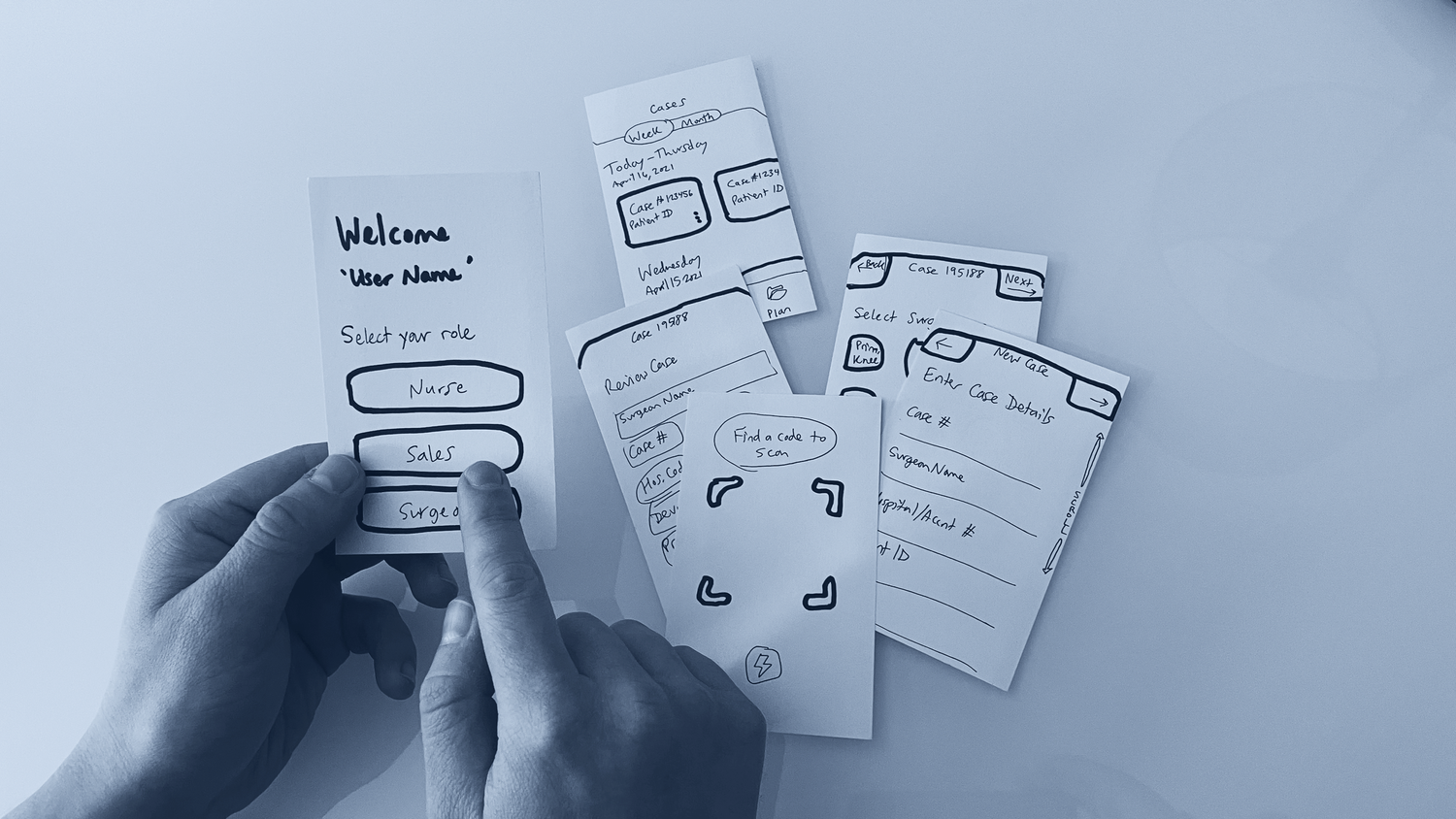
I iterated the wireframe design with low-fidelity paper prototypes and informal stakeholder interviews. This helped me determine quickly that the mobile app should be optimized for salespeople. A separate EHR integration experience is more convenient for all other stakeholders (nurses, surgeons, hospital managers, operations, etc.)
-
Information Architecture
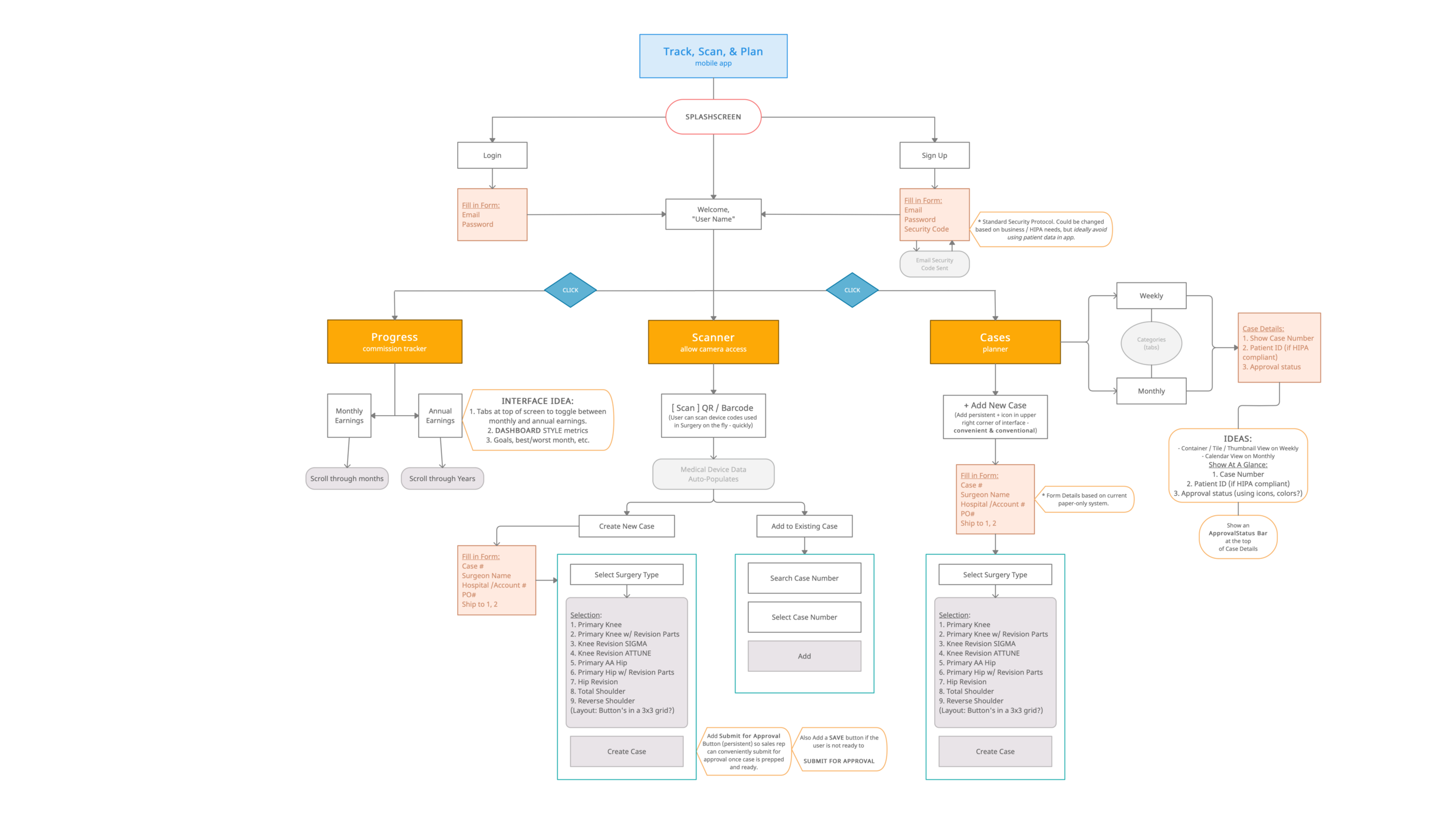
After initially mapping out the experience, I realized the mobile app needs to communicate with the Electronic Health Records system. So I designed two separate experiences:
1) Mobile App
2) EHR Integration -
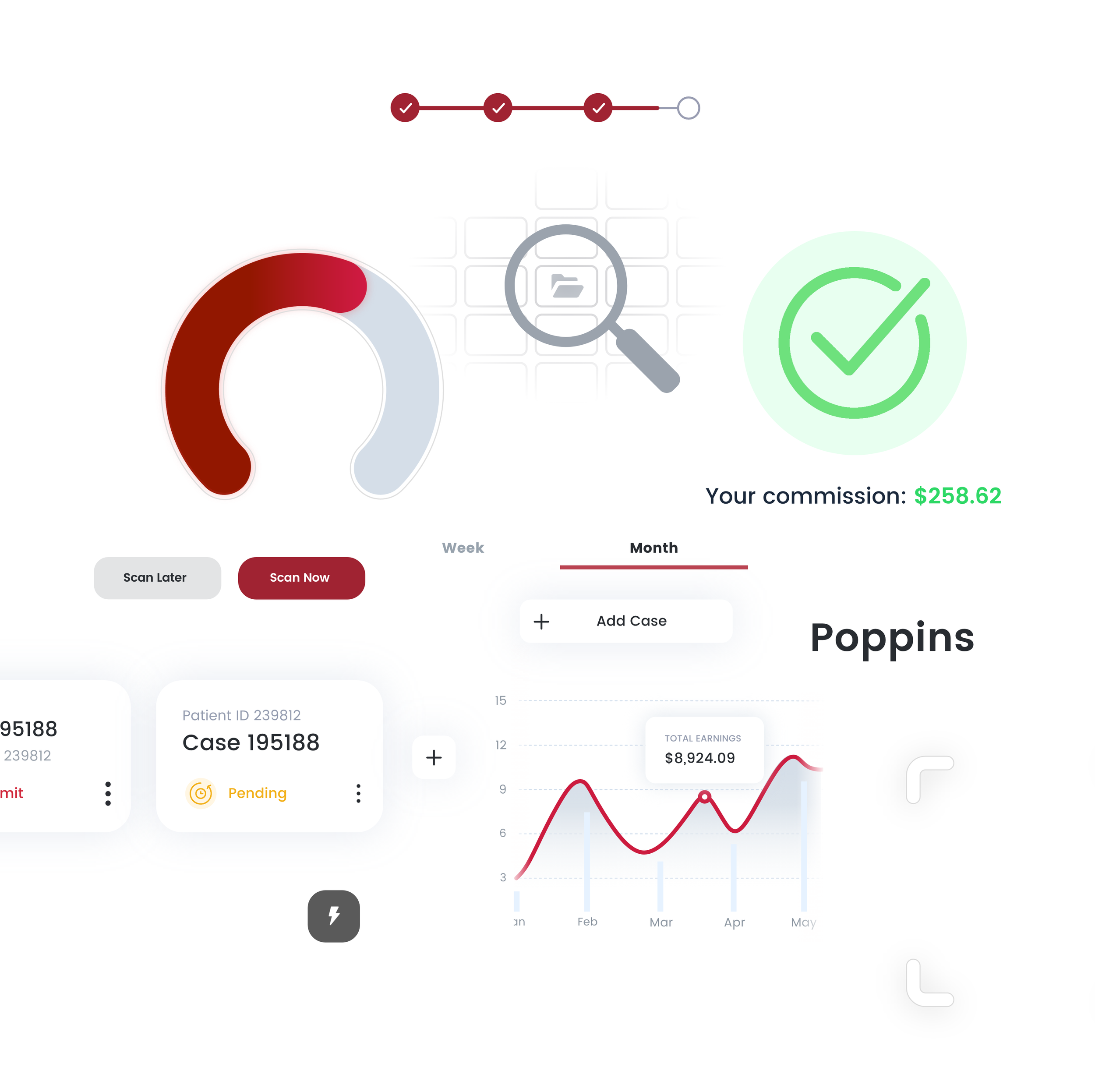
Design System
I had a vision for the product, so I created the foundation of a design system for this application that falls in line with DePuy Synthes’ existing design language. I leaned on the KISS philosophy. (Keep it simple, stupid).
Delivering 1st Iteration - Design Overview
Showing you my initial design…
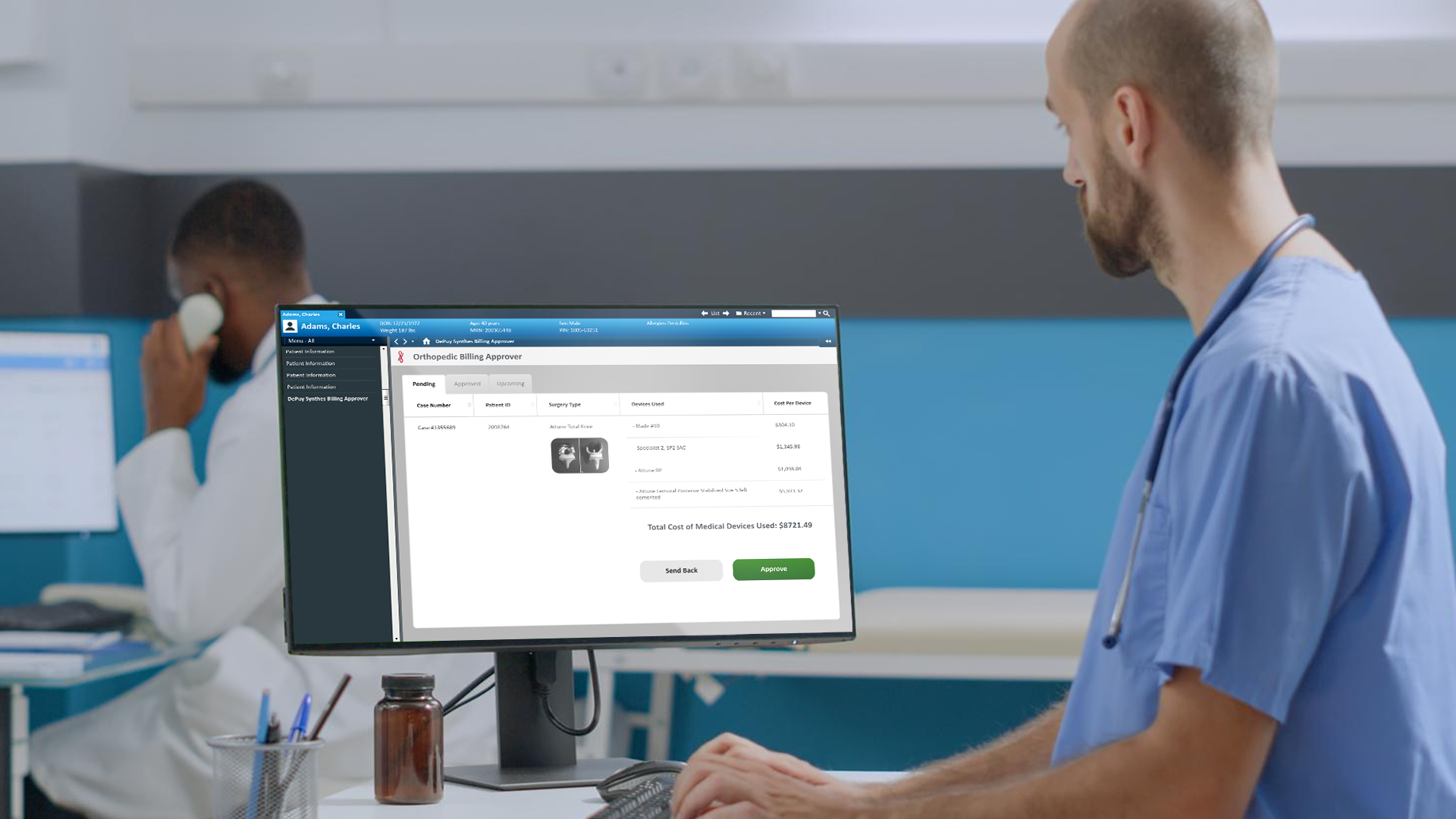
To enable mobile app integration: Oracle’s Cerner EHR System Integration for Billing Approval
When sales reps submit their case for approval, the billing verification request is sent to this EHR system integration, (pictured above) allowing stakeholders to conveniently verify, approve, and/or edit. There is a loop here between the salesperson using the mobile app, and hospital verifiers. This increased friction ensures billing errors are mitigated.
Push notifications can be enabled for all Cerner EHR and mobile app users with this type of process configuration.
Once all stakeholders verify and approve the items used in surgery, the mobile app notifies sales of that approval. This simplified process empowers salespeople, is more convenient, and faster for everyone.

UX Success Metrics for Integration
Quantitative:
• SUS (System Usability State) - We need to get enough participants for this type of quantitative measure. At least 300, or better yet—60% of all users.
• TSR (Task Success Rate)
Qualitative:
• Usability Testing
• More Interviews
• Surveys
Usability Studies

Giving Users Options
There are numerous scenarios that can affect whether or not it’s convenient to scan devices now or later.
Testing Outcome: The tasks I created for test using maze.co had a 92% success rate.
Even with increased friction by adding choice 80% of salespeople prefer the ability to choose to scan devices now or later.
I used maze.co to gain a larger sample size for testing, coupled with a small sample of in-person testing with J&J salespeople.
Fixing the Case Approval Experience 🤔
Per usability study feedback— Adding progress label clarity as well as more clear visual indicators and error / confirmation states.
⚠️ HIPAA Compliance Obstacle
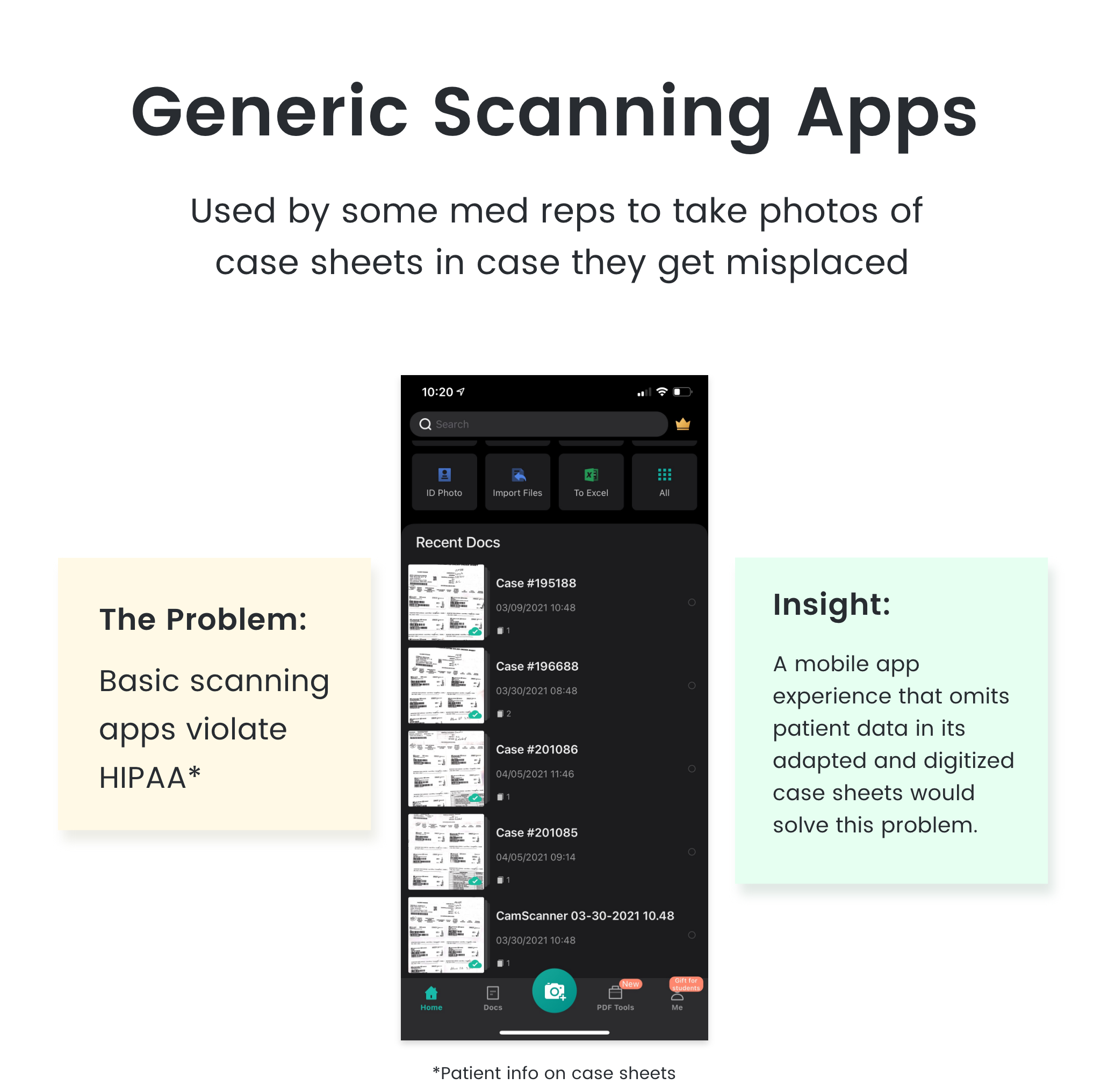
Even though most patient identifiers or ePHI (electronic protected health information) is omitted from this app such as: patient name, height, weight, health history, etc., the app still uses medical record numbers considered ePHI that can identify the patient, such as: patient ID, case number, and even surgery dates.
HIPAA Compliance Workaround ✅ 😁
Requirements for HIPAA Compliance:
• Dedicated company-issued mobile devices
• Encrypted ePHI
• Automatic logout after 10 minutes
• ePHI data only accessible on hospital’s VPN and wifi, while on hospital premises
Essentially, the Case tab is locked, and not accessible until logged into the hospital’s VPN, to secure patient data. Earnings, Scan, and Profile tabs are always available.
Simplifying the Experience
Ready to ship!
Making compromises for the MVP rollout pitch
I removed the cases tab (reduced from 4 tabs to 3) so no patient data is stored in the mobile app to ensure HIPAA compliance. Patient data is entered, but not stored— it routes directly into the EHR database.
This solution marries the business requirements and user needs while removing any questions of potential HIPAA violation.
Marketing
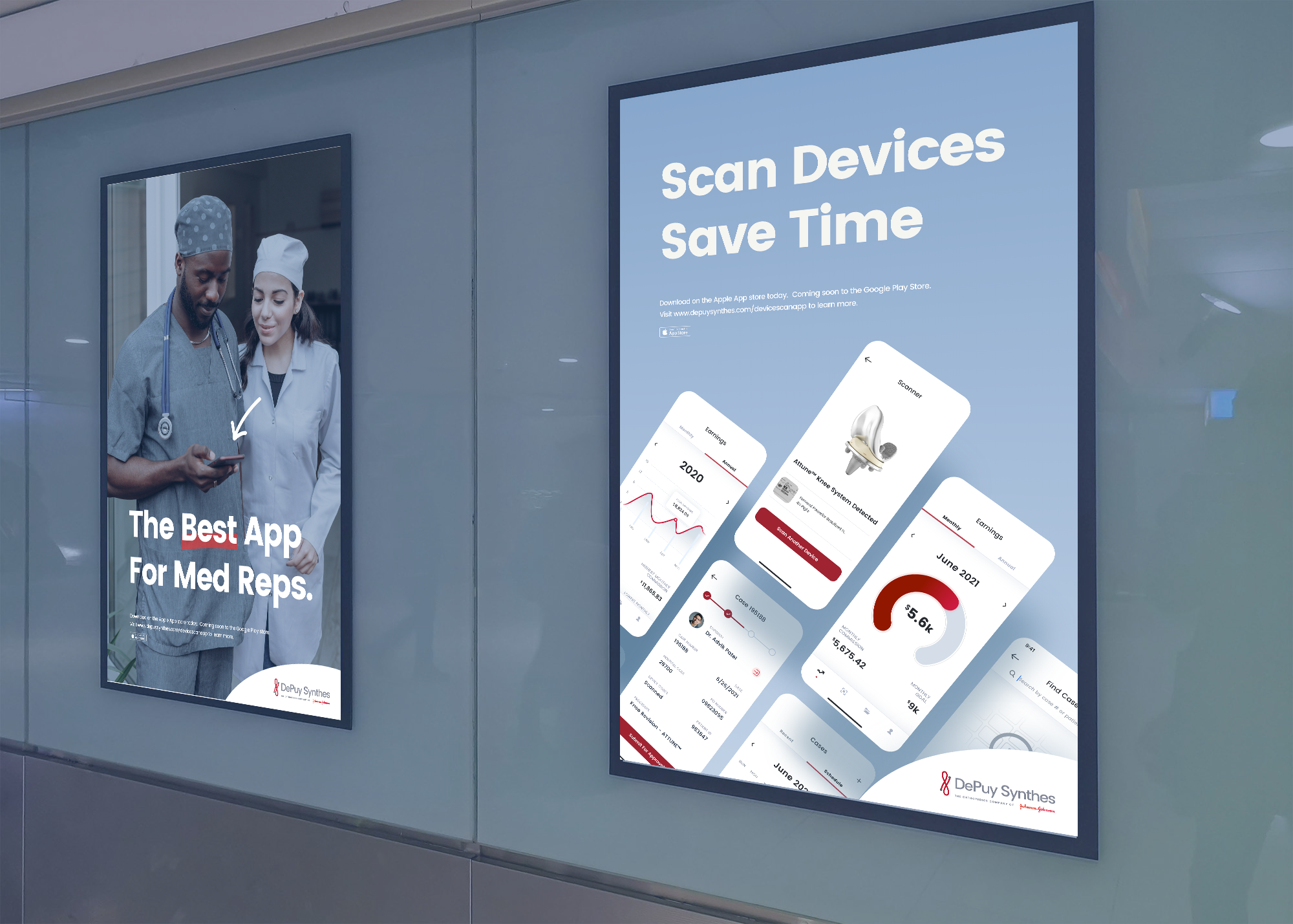
Targeting potential users (med reps).
New Streamlined Process
With an uptick in various UX metrics from my small sample test size, coupled with surveys from a larger sample set, it’s evident the new digitized process proposal has the potential to simplify, be less work for nurses, surgeons, sales, and hospital managers to streamline the medical device sales billing process.
Metrics Used:
TSR (Task Success Rate), SUS (System Usability State), surveys, interviews, and more.
BENEFITTING USERS ✅
-
Because of the content lock feature, limited patient data visualized to the mobile app users (salespeople), and patients’ signed consent is given prior to surgery, this new, digital experience remains HIPAA compliant.
Moreover, it mitigates salespeople’s inclination to take photos of case sheets with their personal devices (which directly violates HIPAA).
-
The former typical week to month delay is shortened to days or hours due to an easier, instantaneous user experience for both sales reps, and approval gatekeepers.
-
Case sheets are submitted digitally to sales managers, nurses, and hospital managers through the EHR (Electronic Health Records) systems quickly.
Salespeople are empowered with the ability to reference back to old cases, and prepare for upcoming surgeries all within the mobile app.
-
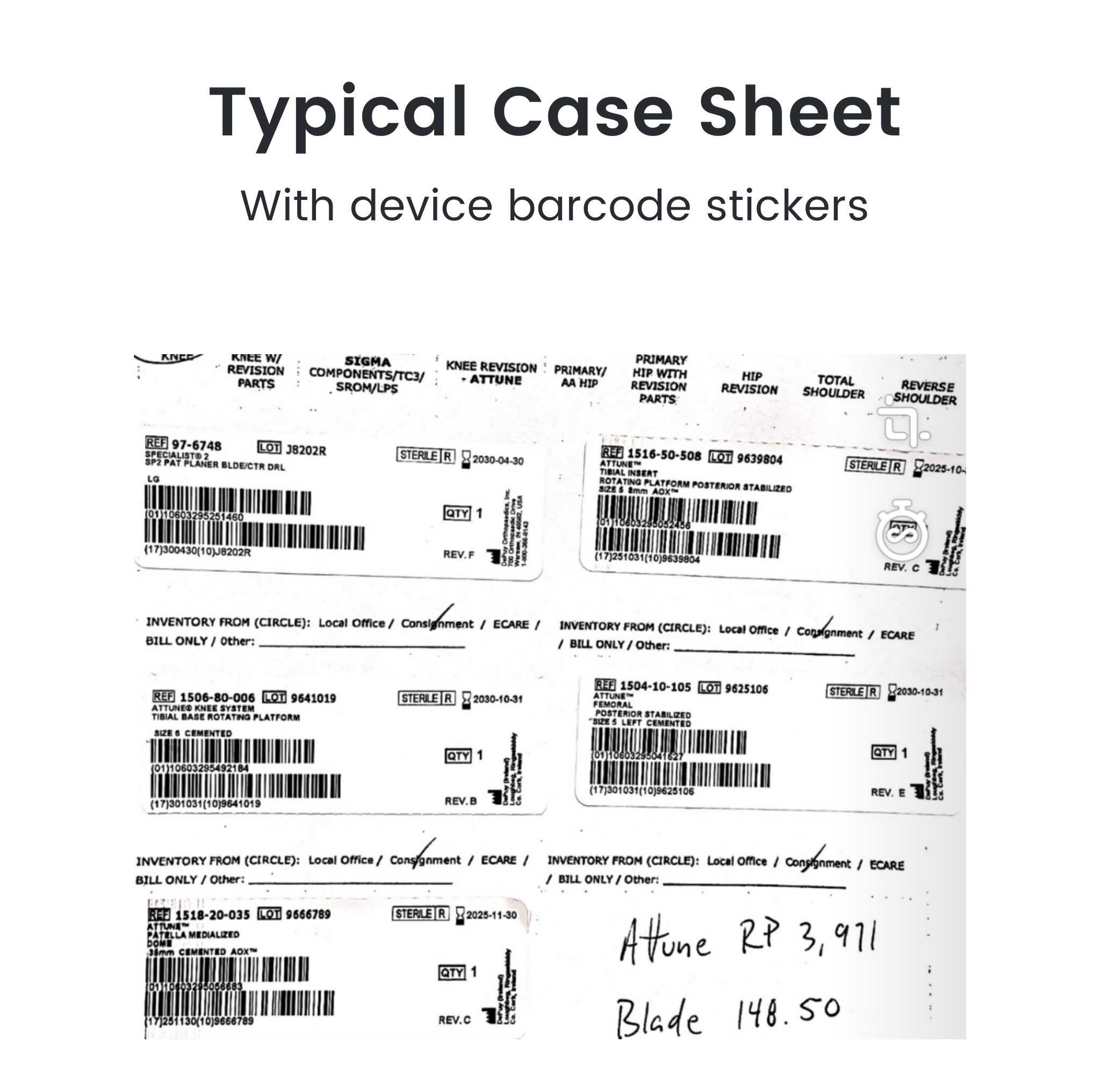
No longer do med reps have to toil with 100 stickers and 20 sheets of paper each day of surgeries (on average).
All data is securely submitted through the mobile app!
My Scrappy Testing Indicates:
Increasing Sales and Exclusivity Contracts with Faster Billing
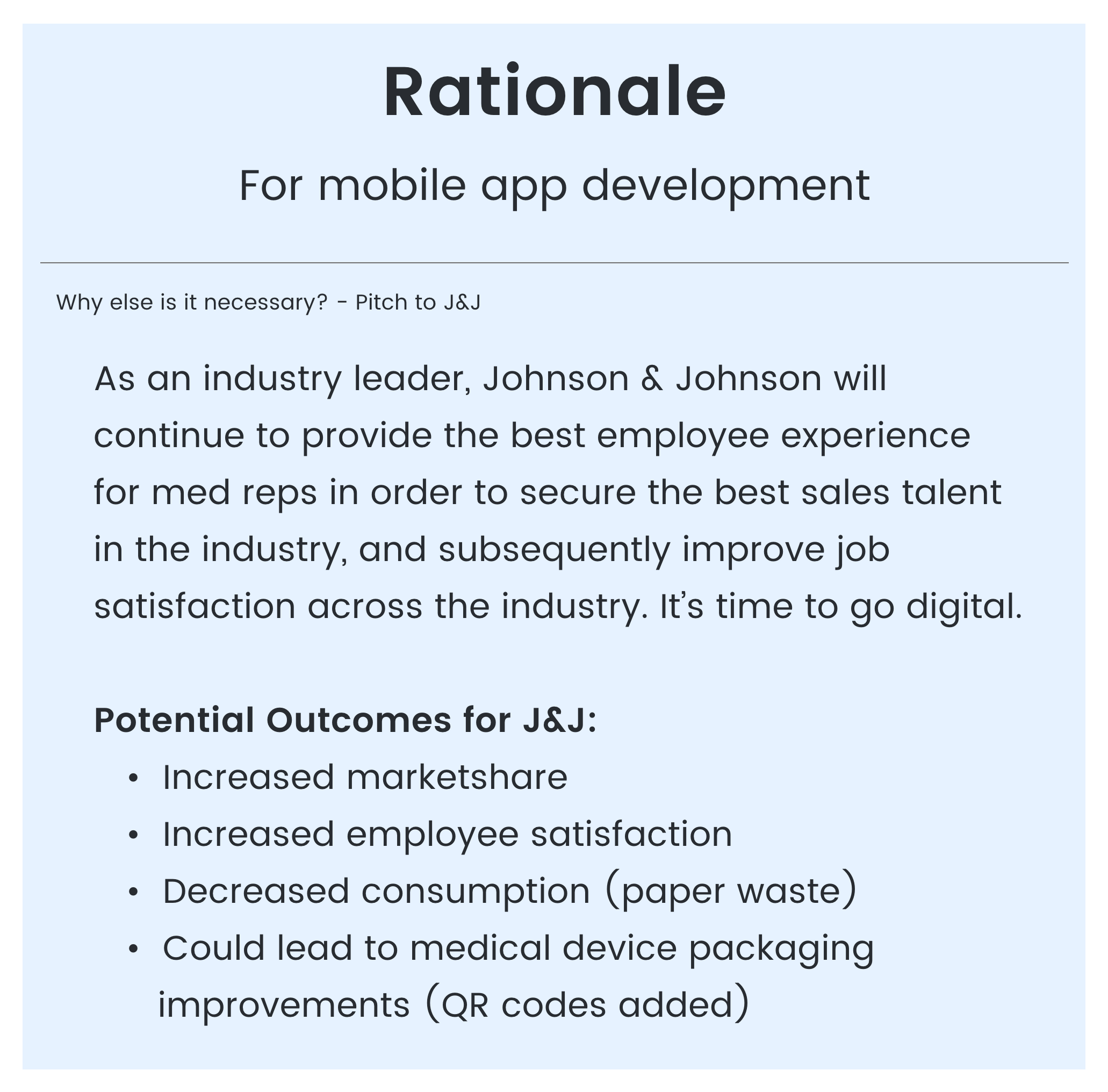
In terms of making it easier on orthopedic salespeople to foster positive relationships with surgeons and hospitals, new tech is often leveraged as a point of differentiation in the healthcare market.
Because this new digital system speeds up the billing process, it streamlines the medical device sales experience for surgeons, hospital managers, nurses, etc. when compared to the rest of the orthopedic sales industry.
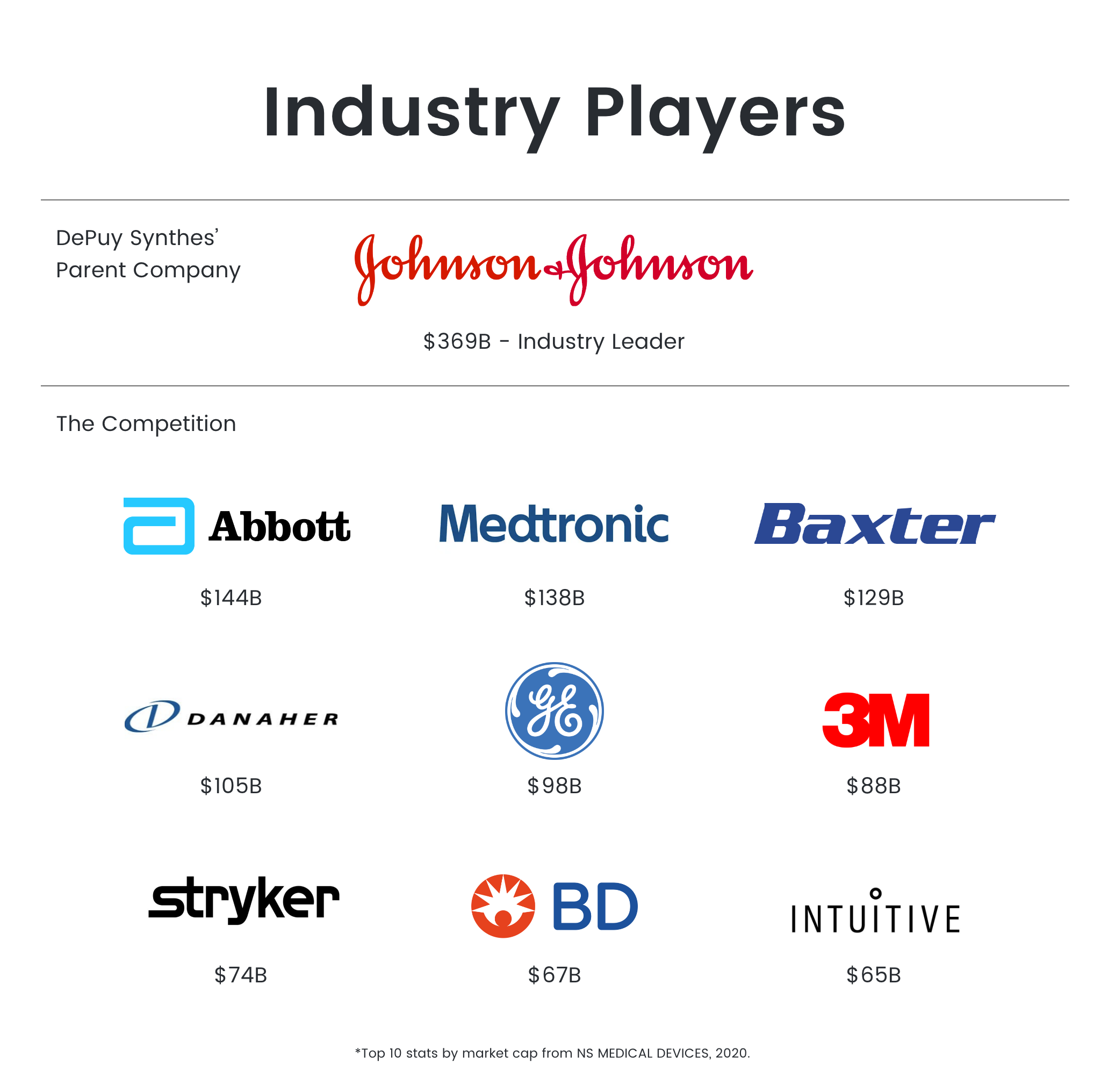
According to my research, the industry at-large still uses a paper system—not just Johnson & Johnson. J&J’s new, quick billing process has the potential to make it easier for salespeople to land exclusive contracts, guaranteeing significant, consistent new streams of revenue, faster.
BUSINESS IMPACT 📈
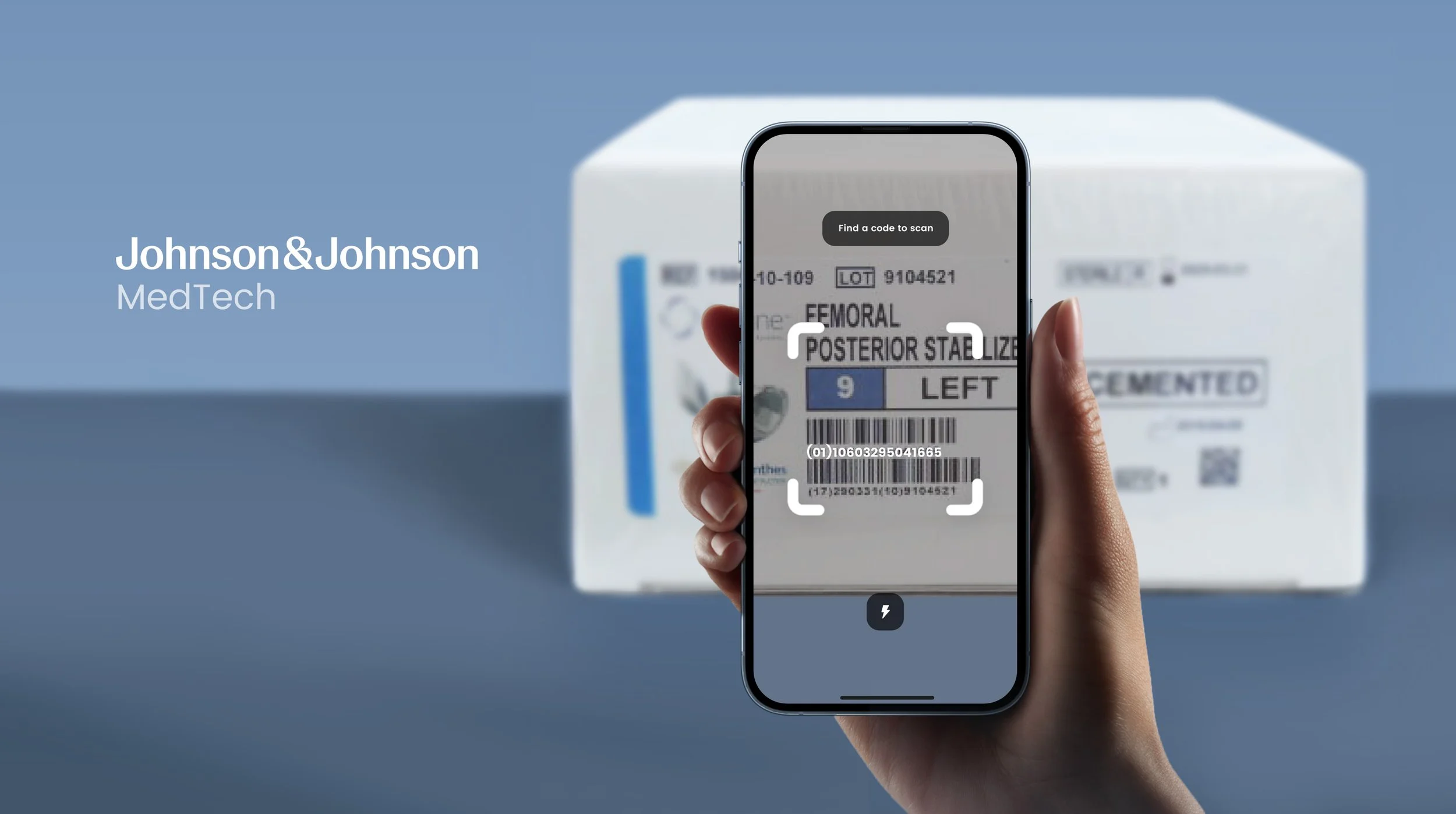
2025 Update — new logo